

A bespoke suit is the highest expression of custom tailoring: a garment created from scratch for one person, one body, and one purpose. This guide explains what bespoke really means, how it differs from made-to-measure and off-the-rack suits, what happens during the process, and why the investment can be worth every penny for the right client.
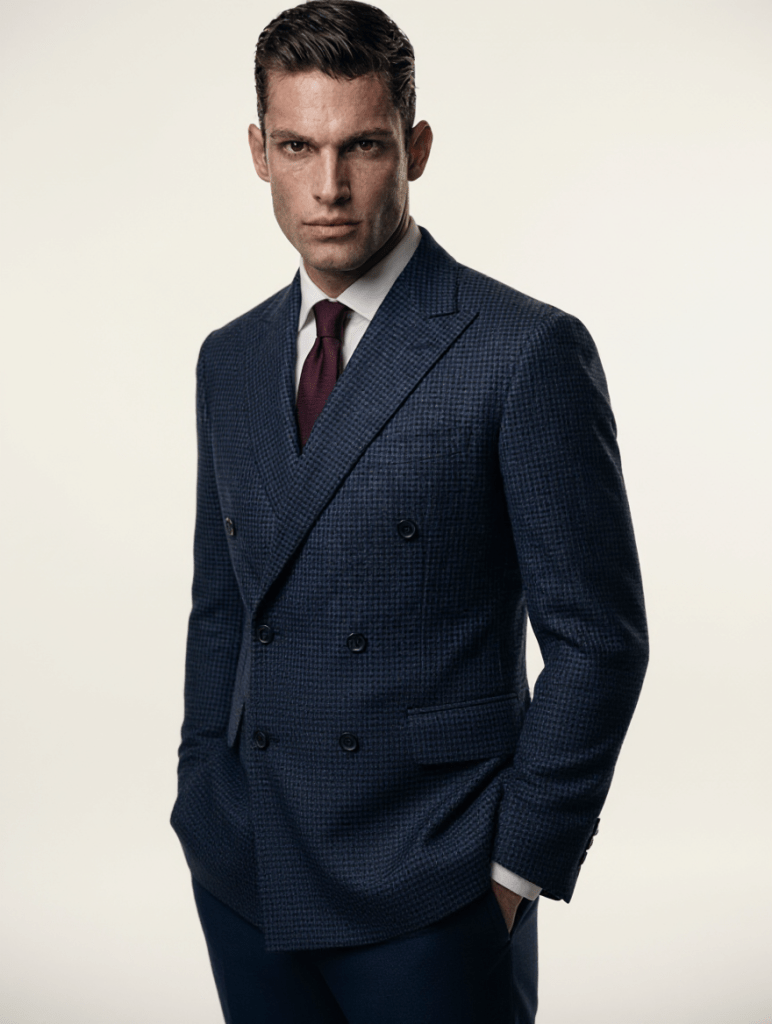
What Is a Bespoke Suit? And Why It Might Be Worth Every Penny
If you have ever seen a suit that looked impossibly natural on someone, not tight, not loose, not forced, just perfectly balanced, there is a good chance you were looking at true custom tailoring. A bespoke suit is not simply a nice suit. It is a garment built around the individual from the beginning.
The word “bespoke” comes from the old English word “bespeak,” meaning something was spoken for or reserved in advance. In tailoring, it refers to a garment commissioned specifically for one client. The fabric, pattern, structure, fit, and finishing details are all created for that person, not pulled from a standard size and adjusted later.
That difference matters. A bespoke suit is not trying to make your body fit a garment. It makes the garment fit your body. That means shoulder slope, posture, chest shape, arm pitch, torso length, trouser rise, waist, seat, and movement are all considered from the start. The result is not just better fit. It is better presence.
- What Bespoke Really Means
- Bespoke vs. Made-to-Measure vs. Off-the-Rack
- Why Bespoke Costs More
- The Bespoke Suit Process
- Fabric and Construction Details
- Fit Details That Matter
- Personalization Options
- When Bespoke Is Worth It
- When Bespoke May Not Be Right
- How to Care for a Bespoke Suit
- Frequently Asked Questions
What Bespoke Really Means
A true bespoke suit begins with a blank pattern. The tailor does not simply take an existing jacket block and adjust it. Instead, the garment is drafted around your exact measurements, posture, build, and fit preferences. This is why bespoke tailoring is often described as architecture for the body.
The tailor studies how you stand, how your shoulders sit, how your arms hang, how your chest and back balance, and how the cloth should move with you. Two people may have the same chest size and waist size, but their posture, shoulder slope, neck position, and torso shape can be completely different. Bespoke tailoring accounts for those details.
Bespoke is not just “expensive custom.” It is a different level of pattern-making, fitting, construction, and refinement. The value is in the precision, not just the label.
A bespoke suit usually includes multiple fittings because the first version is not meant to be final. The fitting process allows the tailor to refine balance, drape, comfort, sleeve pitch, trouser shape, and jacket structure before the garment is completed. That extra time is what gives bespoke its depth.
Bespoke vs. Made-to-Measure vs. Off-the-Rack
People often use “custom,” “bespoke,” and “made-to-measure” like they mean the same thing. They do not. All three can produce good garments, but they are built in very different ways.
| Option | What It Means | Best For |
|---|---|---|
| Off-the-Rack | A finished suit made in standard sizing. Alterations can improve the fit, but the original shape is already fixed. | Clients who need something quickly, have an easy-to-fit body type, or are buying an entry-level suit. |
| Made-to-Measure | A suit created from an existing pattern that is adjusted to your measurements and selected design details. | Clients who want a better fit, guided customization, and strong value without the full bespoke timeline. |
| Bespoke | A suit drafted from scratch for your body, refined through fittings, and built around your exact posture and proportions. | Clients who want the highest level of fit, craftsmanship, individuality, and long-term garment quality. |
Made-to-measure is a strong option for many men, especially when the clothier takes careful measurements and offers meaningful customization. Bespoke goes further. It is more personal, more involved, and more exacting. It gives the tailor greater control over the pattern and the finished silhouette.
Why Bespoke Costs More
Bespoke suits cost more because they require more time, more skill, more fittings, and more handwork. You are not paying only for fabric. You are paying for the pattern, the cutting, the construction, the fitting process, the finishing, and the expertise behind every decision.
The price also reflects the fact that bespoke is not mass production. A single garment may require dozens of individual steps before it is complete. The tailor must interpret the client’s body, style goals, and intended use, then turn that into a suit that feels balanced and natural.
Custom Pattern
The suit is drafted specifically for your body, rather than adjusted from a standard block. This creates more control over fit and proportion.
Multiple Fittings
Fittings allow the tailor to correct balance, sleeve pitch, jacket shape, trouser line, and movement before the final garment is finished.
Higher Craftsmanship
Bespoke tailoring often includes handwork, careful canvas construction, refined pressing, and finishing details that require trained skill.
Long-Term Value
A well-made bespoke suit can last for many years with proper care, especially when the fabric and construction are chosen wisely.
The Bespoke Suit Process
The bespoke process is part of the value. It is not a quick transaction. It is a guided collaboration between the client and the tailor. Each stage helps refine the garment until it looks and feels like it belongs to the wearer.
1. Consultation
The process begins with a conversation. Your tailor needs to understand where you will wear the suit, how formal it needs to be, what climate you live in, how often you plan to wear it, and what impression you want to make. A bespoke wedding suit, executive business suit, and formal evening suit all require different choices.
2. Measurements and Posture Analysis
Measurements are only the beginning. A good tailor also evaluates posture, shoulder slope, neck position, stance, arm pitch, and balance. This is where bespoke separates itself from basic sizing. The body is not flat, symmetrical, or standard. Bespoke accepts that reality and builds around it.
3. Fabric Selection
Fabric determines more than color. It affects drape, breathability, durability, warmth, wrinkle resistance, and how formal the suit feels. A navy worsted wool may be ideal for business. A soft flannel may work beautifully in winter. A wool-silk-linen blend may be better for a refined summer jacket.
4. Design Selection
This is where the suit becomes personal. You choose lapels, pockets, vents, buttons, lining, trouser details, cuffs, pleats, monograms, and other finishing elements. The best design choices are not random. They should support your body, lifestyle, and intended use.
5. First Fitting
The first fitting is usually about shape and balance. The garment may not look finished, and that is the point. The tailor is checking how the cloth hangs, where it pulls, where it collapses, and how it moves on your body.
6. Second Fitting and Refinement
The second fitting sharpens the garment. Sleeve angle, collar fit, jacket waist, trouser break, seat, thigh, and overall proportion are adjusted. Small changes here can make the difference between a nice suit and a suit that feels made for you.
7. Final Fitting
The final fitting confirms the finished suit. At this point, the garment should feel natural when standing, walking, sitting, and moving. The goal is not just a beautiful photo. The goal is a suit you can actually live in.
Fabric and Construction Details
Fabric selection is one of the most important decisions in bespoke tailoring. A luxury cloth does not automatically make the best suit. The right fabric depends on climate, purpose, durability, texture, weight, and how often the garment will be worn.
Common Fabric Options
- Worsted wool: Clean, durable, and ideal for business suits.
- Flannel: Soft, warm, and elegant for fall and winter wear.
- Fresco: Breathable and structured for warm weather.
- Linen: Relaxed, breathable, and naturally textured for summer.
- Cashmere blends: Soft and luxurious, often better for jackets than hard-wearing daily suits.
- Wool-silk-linen blends: Excellent for refined sport coats and warm-weather tailoring.
Construction matters just as much as fabric. A full-canvas jacket, for example, uses internal structure that molds to the body over time. It creates better drape, better shape, and a more natural life in the garment. Fused construction, by contrast, uses adhesive and is more common in lower-cost suits.
The best bespoke suit is not always the most delicate one. A suit should be built for how you actually live, travel, work, and move.
Fit Details That Matter
Fit is where bespoke earns its reputation. The difference is not always loud. Sometimes it is quiet: a collar that stays against the neck, a shoulder that does not collapse, a jacket that closes without stress, trousers that drape cleanly without pulling across the seat.
Important Bespoke Fit Points
- Shoulders: The shoulder line should look clean and balanced without overhang or pulling.
- Collar: The jacket collar should sit close to the shirt collar without gapping.
- Chest: The chest should have enough room to breathe without looking loose.
- Waist: The jacket should shape the torso without creating tight stress lines.
- Sleeve pitch: The sleeve should follow the natural angle of your arm.
- Jacket length: The length should balance your torso and legs.
- Trouser rise: The rise should support comfort, proportion, and clean movement.
- Seat and thigh: The trousers should sit cleanly without pulling or excess fabric.
- Trouser break: The break should match the formality and style of the suit.
These details are why bespoke can feel different even when someone cannot explain exactly why. The suit simply looks calmer on the body. Nothing fights. Nothing collapses. Nothing feels accidental.
Personalization Options
One of the pleasures of bespoke tailoring is the ability to personalize the garment without making it loud. Subtle choices can make the suit feel deeply individual while still staying timeless.
Jacket Details
Choose notch, peak, or shawl lapels; single-breasted or double-breasted styling; flap, jetted, or patch pockets; and single or double vents.
Trouser Details
Select pleats or flat front, side tabs or belt loops, cuffs or no cuffs, rise height, taper, pocket style, and break.
Interior Details
Choose lining color, monogramming, interior pockets, hidden details, custom labels, and finishing touches only you may see.
Style Direction
Build the suit toward business, weddings, formalwear, travel, executive presence, or everyday elegance.
When Bespoke Is Worth It
Bespoke is worth it when the suit will matter often or deeply. If you wear suits regularly for work, attend high-level events, need a wedding suit, or simply value clothing that feels personal and long-lasting, bespoke can be a smart investment.
It is also worth considering if you have fit challenges that off-the-rack clothing never solves. Broad shoulders and a narrow waist, sloped shoulders, a prominent chest, long arms, shorter legs, athletic thighs, or asymmetry can all make standard sizing frustrating. Bespoke gives the tailor room to address these realities properly.
Bespoke Makes Sense If:
- You wear suits often and want something built to last.
- You want the highest level of fit and personal attention.
- You have a wedding, major professional moment, or formal event coming up.
- You struggle with off-the-rack proportions.
- You value craftsmanship, fabric quality, and long-term wardrobe planning.
- You enjoy the process of building something truly personal.
When Bespoke May Not Be Right
Bespoke is not always the right first move. If you need a suit immediately, are buying your first suit on a tight budget, or expect your body size to change significantly soon, made-to-measure or a well-altered off-the-rack suit may be more practical.
The point is not to buy the most expensive option. The point is to buy the right option. A great wardrobe is built with timing, purpose, and honesty. Sometimes bespoke is the correct move. Sometimes it is better to start with made-to-measure and build toward bespoke later.
Bespoke May Not Be Ideal If:
- You need a suit in a few days.
- You are still figuring out your personal style.
- Your budget is limited and you need several wardrobe basics first.
- Your weight or body composition is changing quickly.
- You only need a suit once and may not wear it again.
How to Care for a Bespoke Suit
A bespoke suit should be cared for like an investment. Good care protects the fabric, canvas, shape, and finish. The goal is not to make the suit look new forever. The goal is to let it age well.
Care Tips for a Bespoke Suit
- Use a proper hanger: A wide wooden hanger helps preserve the shoulder shape.
- Brush after wear: A garment brush removes dust and helps the cloth recover.
- Let it rest: Avoid wearing the same suit multiple days in a row when possible.
- Steam lightly: Light steaming can release wrinkles, but avoid over-steaming the structure.
- Dry clean sparingly: Over-cleaning can wear down the fabric and affect the garment’s shape.
- Store with space: Give the suit room in the closet so the shoulders and lapels are not crushed.
- Repair early: Address loose buttons, small lining issues, or minor wear before they become larger problems.
Why Bespoke Feels Different
The difference between bespoke and standard tailoring is not only visible. It is physical. A well-made bespoke suit feels settled on the body. The collar sits correctly. The shoulders feel supported. The trousers move without restriction. The jacket follows your posture instead of forcing you into someone else’s shape.
That feeling changes how you carry yourself. You stand taller because nothing is pulling. You move better because the garment was built with your movement in mind. You look sharper because the proportions were chosen for you, not for a mannequin.
This is why a bespoke suit can be worth every penny. It is not about showing off. It is about wearing something that was made with intention from the first measurement to the final stitch.
Ready to Build a Suit Around You?
Schedule a fitting with H.M. Cole and create a custom suit shaped around your measurements, your style, and the moments where fit truly matters.
Schedule a Fitting