

Not every custom suit needs to be a once-in-a-lifetime commission. Cotton is the practical, approachable entry into bespoke tailoring, easier to care for than wool, more structured than linen, and at home in everything from a business-casual office to a Kentucky Derby box seat. H.M. Cole builds custom cotton suits for exactly that everyday register.
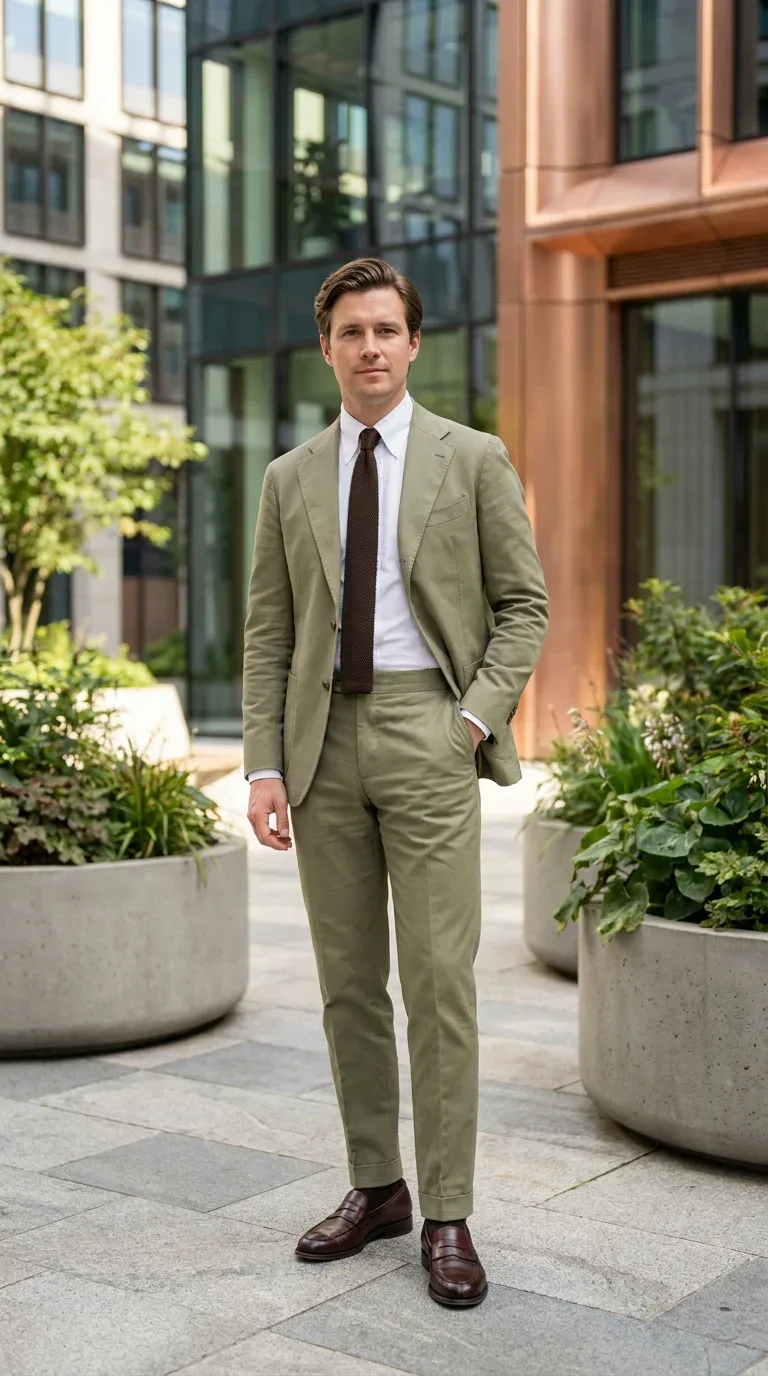
Custom Cotton Suit: The Practical Entry Into Bespoke Tailoring
Cotton fiber comes from the boll of the cotton plant, and unlike most fabrics covered elsewhere in this guide, it's a plant fiber rather than an animal one, which shapes almost everything about how it performs. Cotton is durable, easy to care for, and considerably more affordable to produce at scale than wool, cashmere, or silk, without sacrificing comfort or a tailored appearance.
That practicality is exactly why cotton suiting has such a specific, beloved place in American menswear, most visibly in seersucker, a fabric with its own distinct regional history and character.
At H.M. Cole, a cotton commission starts with the same conversation as any custom suit: how and where it'll actually be worn, since cotton's range spans crisp business-casual twill to the puckered, deliberately rumpled charm of a classic seersucker suit.
- Step 1: What Makes Cotton Different, Staple Length and Grade
- Step 2: Seersucker, America's Classic Cotton Suit
- Step 3: Understanding Cotton Weaves and Blends
- Step 4: Cotton vs. Linen, Which Casual Summer Fabric Fits You
- Step 5: How H.M. Cole Creates Custom Cotton Suits
- Frequently Asked Questions
- Book a Private Cotton Consultation
Cotton doesn't ask you to choose between comfort and looking put together. That's exactly why it's the fabric most business-casual wardrobes are missing.
Step 1: What Makes Cotton Different, Staple Length and Grade
Cotton fiber quality is largely determined by staple length, the length of the individual fiber strands. Longer staple cotton produces a smoother, stronger, more lustrous yarn, while shorter staple cotton is coarser and less refined. Premium suiting cotton typically uses extra-long-staple varieties, including Pima, Egyptian, and Sea Island cotton, each associated with specific growing regions and a long-standing reputation for quality.
Unlike wool, cotton has no natural elasticity or memory, so it doesn't spring back into shape the way wool does after sitting or bending. Tailors compensate for this with weave choice and construction, which is part of why cotton suiting benefits from thoughtful pattern work as much as any other fabric.
Step 2: Seersucker, America's Classic Cotton Suit
Seersucker is a distinctive cotton weave that alternates flat and puckered stripes, created by weaving two threads at different tensions. That pucker serves a genuine practical purpose: it holds the fabric slightly away from the skin, improving airflow and reducing the amount of fabric actually touching the body in heat and humidity.
Seersucker has deep roots in the American South, becoming a fixture of warm-weather business and formal wear throughout the 20th century, worn everywhere from courtrooms to college campuses to the Kentucky Derby. Its light blue-and-white or grey-and-white striped pattern remains instantly recognizable and carries genuine cultural history that few other suiting fabrics can claim.
Step 3: Understanding Cotton Weaves and Blends
Beyond seersucker, cotton suiting spans several distinct weaves and blends, each suited to a different level of formality.
Cotton Twill
A diagonal weave with a smooth surface and good durability, the most versatile choice for business-casual suiting.
Seersucker
The classic puckered weave built for maximum airflow and a distinctly American, warm-weather character.
Cotton-Linen Blend
Combines cotton's structure with linen's breathability and texture, a practical middle ground for hot climates.
Cotton-Wool Blend
Added shape retention and a slightly more formal drape, while keeping cotton's easier care and lower cost.
Step 4: Cotton vs. Linen, Which Casual Summer Fabric Fits You
Cotton and linen are often reached for interchangeably, but they behave differently enough to matter. Cotton holds a cleaner, more structured line and wrinkles noticeably less than linen, making it a better fit for business-casual settings where a slightly more polished appearance is expected.
Linen breathes marginally better and carries a more textured, deliberately relaxed character, better suited to destination weddings and purely casual warm-weather occasions. Cotton is the more practical daily driver; linen is the more distinctive, occasion-specific choice.
Step 5: How H.M. Cole Creates Custom Cotton Suits
Every H.M. Cole cotton commission starts with a conversation about use: business-casual wear, a warm-climate wardrobe piece, or a classic seersucker suit for a specific event or season.
Your clothier walks you through relevant cotton weaves and blends in person, since hand and structure are easier to judge by feel, followed by full measurements and a posture assessment.
- Cotton weave and blend selection
- Lapel shape and width
- Shoulder structure, typically softer for business-casual cotton suiting
- Lining selection, often minimal for warm-weather wear
- Trouser rise and fit
- Pattern, from solid twill to classic seersucker stripe
- Intended use and expected frequency of wear
Most H.M. Cole bespoke suits begin at $5,000, with final pricing depending on the specific cotton weave and construction selected. Cotton generally sits toward the more accessible end of H.M. Cole's fabric range.
Clients should generally allow approximately 10 to 14 weeks for a bespoke commission from first fitting to final delivery.
Frequently Asked Questions
Is a Cotton Suit Formal Enough for Business Wear?
A well-constructed cotton twill suit reads appropriately for business-casual environments, though it's generally less formal than a wool suit. Seersucker is traditionally reserved for warm-weather and more relaxed settings rather than formal business meetings.
What Is Seersucker Fabric?
Seersucker is a cotton weave with alternating flat and puckered stripes, created by weaving threads at different tensions. The pucker holds fabric away from the skin, improving airflow, and has deep roots in American Southern warm-weather dressing.
Is Cotton or Linen Better for Summer?
Both perform well in heat, but cotton holds a cleaner, more structured line with less wrinkling, making it better suited to business-casual settings. Linen breathes marginally better and carries a more textured, relaxed character, better suited to casual and destination occasions.
How Much Does a Custom Cotton Suit Cost?
Most H.M. Cole bespoke suits begin at $5,000, with final pricing depending on the cotton weave, blend, and construction chosen. Cotton is generally one of the more accessible fabric choices available.
Book a Private Cotton Consultation
Cotton proves that a custom suit doesn't have to be reserved for once-in-a-lifetime occasions. It's built for the wardrobe you'll actually wear.
Visit H.M. Cole for a private fitting and explore cotton weaves and blends, from business-casual twill to classic seersucker.
Design Your Custom Cotton Suit
Explore cotton weaves built for comfort, durability, and easy care, tailored around your exact measurements.
Schedule a Fitting